
Align leadership, transition your workforce, and modernize operations while managing risk and preserving culture.
Tailored strategies for the unique pressures facing modern manufacturers.
Unite executive teams around transformation initiatives while managing competing priorities and legacy mindsets.
Navigate automation, upskilling, and generational shifts while maintaining productivity and morale.
Identify and mitigate supply chain vulnerabilities, safety concerns, and process inefficiencies before they escalate.
Transform legacy systems & siloed data into strategic assets that drive decision-making across floor & C-suite.
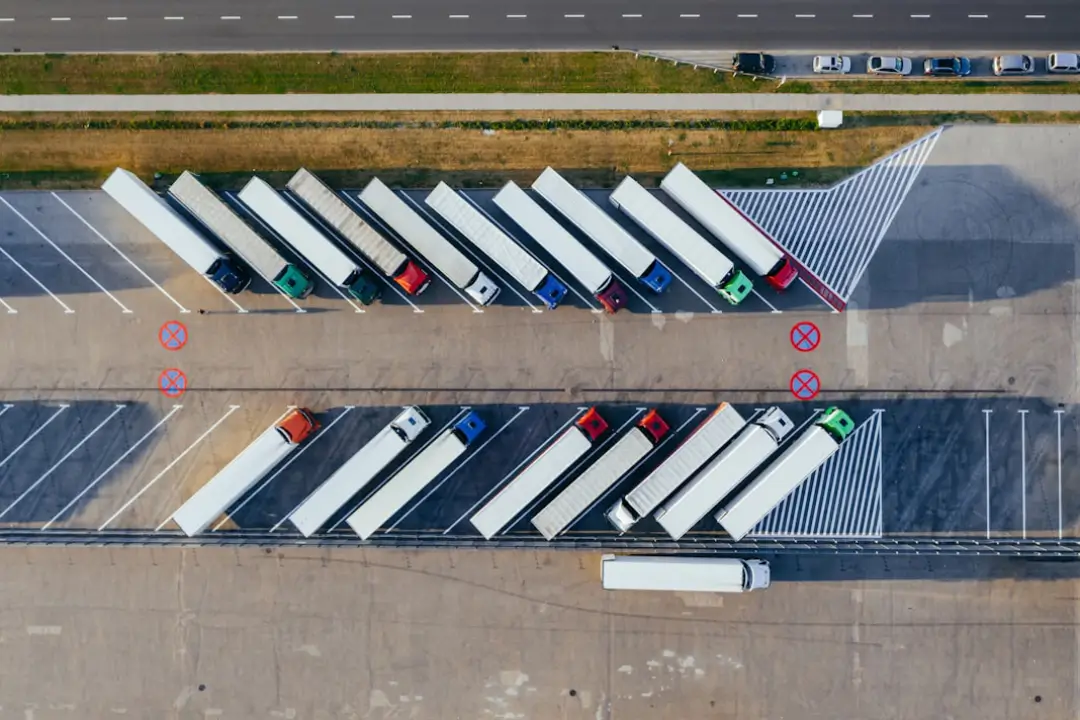
From the factory floor to the boardroom, we help manufacturers navigate change without sacrificing quality or culture.
Case Study
A 500-employee manufacturer faced aging workforce, outdated systems, and pressure to automate while maintaining quality and culture.
We mapped stakeholder concerns across 8 departments, designed a phased automation roadmap, and created change management protocols that preserved institutional knowledge.
Let’s discuss how we can help your manufacturing organization navigate change with data-driven confidence.
FAQs & Clarity
When the stakes are high, clarity matters. These answers address how we work, when to engage, and what to expect from a data-driven partnership.
This work is designed for decision-makers operating in complex, high-stakes environments, where the right answer is not obvious, the consequences are real, and, while both are important, judgment matters more than speed.
Most clients are senior leaders, founders, executives, or leadership teams facing moments of urgent upskilling, organizational tension, or uncertainty, moral or strategic trade-offs with reputational risks.
People typically reach out when they sense that how they decide matters as much as what they decide.
Common moments include:
This work is most effective when there is enough pressure to matter—but not so much urgency that reflection is impossible.
Engagements typically begin with an assessment of the situation.
This initial phase focuses on understanding the moment that matters—clarifying stakes, constraints, trade-offs, and decision ownership. From there, we determine what kind of structure, support, or involvement is appropriate.
In some cases, the assessment itself is the engagement.
In others, it becomes the foundation for deeper coaching or consulting work, including:
There is no fixed template. The structure emerges from the decision context, not from a pre-set methodology.
Clients typically report:
The outcome is not just a plan or recommendation.
It is a measurable shift in how decisions are made during and after the engagement.
Both.
Some engagements focus on a single leader operating under pressure.
Others involve senior teams or organizations navigating consequential decisions together.
Still others incorporate leadership teams and their direct reports, addressing gaps between curriculum and workforce development.
The common thread is not the format—it is the presence of stakes, uncertainty, and responsibility.
This work is not a fit when:
Discernment requires ownership. Without that, the work cannot succeed.
Care, discretion, and ethical clarity are central to our work.
Engagements often involve:
The work is conducted with clear boundaries, explicit alignment, and respect for institutional and human realities. Trust is not assumed; it is built through judgment and restraint. We also require nondisclosure agreements.
The first step is a focused conversation to assess whether the moment—and the fit—are right.
This is not a sales call.
It is a mutual evaluation of readiness, stakes, and alignment.
If the work makes sense, we define scope and next steps.
If it does not, clarity is still the outcome.